

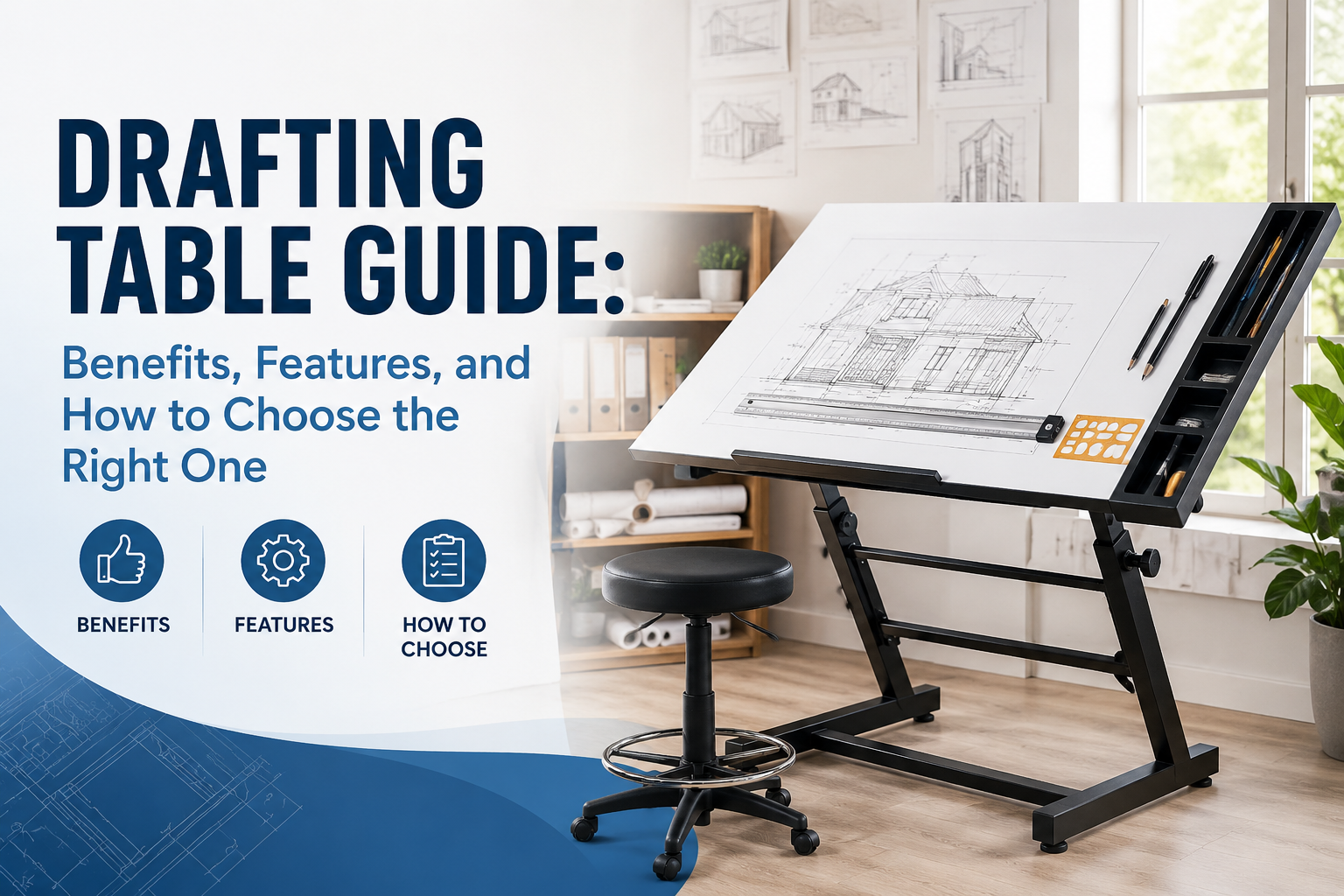
A drafting table is a must-have accessory for an architect, engineer, student, or hobbyist. On one hand, there’s modern software, which has made design work digital; you still need a drafting table, which is necessary for precision work, comfort, and flexibility.
The adjustable surface and ergonomic design make it perfect for technical drawing, sketching, and other creative and engineering tasks. Today, in this blog, we will explore what a drafting table is, its benefits, features, and most importantly, how to choose the best one for your workspace.
What Is a Drafting Table?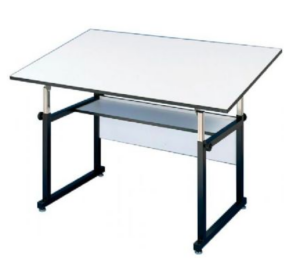
It’s basically a specialized worktable whose height and tilt can be adjusted. Unlike traditional desks, these allow users to position the table to work comfortably at the desired angle. This adjustment allows for more accurate work while reducing physical strain during long work sessions.
It was originally developed for architects and engineers who want to create technical drawings by hand. Artists, illustrators, fashion designers, and students use the drafting table for their work and hobbies.
Why a Drafting Table Is Better Than a Standard Desk
- Improved Ergonomics: One of the biggest advantages of a drafting table is the comfort and improved posture. The height and tilt adjustability enable users to work at a comfortable viewing angle. This reduces strain on the back, shoulders, and wrists.
- Greater Accuracy and Visibility: Working on a tilted surface provides a clear view. Artists and designers find it easier to work on inclined surfaces.
- More Workspace: Drafting tables provide larger work surfaces than standard desks, which also makes them perfect for working on oversized documents, blueprints, and other visual projects.
- Versatility for Multiple Applications
Modern drafting tables are used for:
- Architectural drafting
- Engineering drawings
- Illustration and sketching
- Painting and mixed media art
- Fashion design
- Crafting and DIY projects
- Reading large documents
- Model building
Their flexibility makes them a valuable investment for both professionals and hobbyists.
Key Features to Look for in a Drafting Table
- Adjustable Tilt Angle: The tilt mechanism is what makes this usual table a drafting table. Choose a table that offers a wider tilt range for more flexibility in drawing, painting, and drafting.
- Height Adjustment: Some drafting tables have adjustable height settings, which also allow users to work even while sitting or standing comfortably. Height adjustability can significantly improve comfort during extended work sessions.
- Stable Construction: You need a stable surface for precision work. Select drafting tables that have strong steel frames and durable supports to remain fixed when working on them for longer hours. Many even come with secure locking mechanisms which prevent wobbling during use.
- Spacious Work Surface: Pick a size depending on your project needs. On one hand, architects and engineers need larger surfaces, whereas artists could be looking for an even larger space to keep their drawing materials and supplies.
- Storage Solutions: If you need extra space, you could purchase tables that have drawers, shelves, pencil ledges, and other accessories. These trays keep the tools organized and accessible.
- Durable Surface Materials: Choose a study material and design: your options are wood, laminated surfaces, glass, and metal.
Each material offers different advantages depending on the intended use and maintenance requirements.
Types of Drafting Tables
- Traditional Drafting Tables: These drafting tables have a tilting work surface and are most commonly used by architects and engineers.
- Artist Drafting Tables: They are meant for illustrators, painters, and designers. These tables include storage compartments and versatile angle adjustments.
- Glass Top Drafting Tables: They are popular among artists and designers; moreover, they are easier to clean and best for tracing work.
- Height-Adjustable Drafting Tables: They offer a tilt surface for drafting as well as sit-stand adjustment for comfortable workspaces.
- Portable Drafting Tables: They are perfect for students, hobbyists, and professionals.
Who Should Use a Drafting Table?
A drafting table is an excellent investment for:
- Architects
- Engineers
- Artists
- Illustrators
- Graphic designers
- Fashion designers
- Students
- Crafters
- Hobbyists
- Interior designers
Even individuals who spend long hours reading, writing, or reviewing documents can benefit from the ergonomic advantages of a drafting table.
Common Mistakes to Avoid When Buying a Drafting Table
- Choosing the Wrong Size: A table that is too small may limit productivity, while an oversized table can overwhelm your workspace.
- Ignoring Adjustability: The ability to adjust tilt and height directly impacts comfort and usability.
- Overlooking Stability: A drafting table should remain secure even when pressure is applied to the work surface.
- Not Considering Storage Needs: Integrated storage can improve organization and reduce workspace clutter.
- Prioritizing Price Over Quality: A well-built drafting table can provide years of reliable performance, making durability a worthwhile investment.
Tips for Setting Up Your Drafting Table Workspace
To maximize productivity:
- Position your table near natural light when possible.
- Use an adjustable drafting chair for better ergonomics.
- Keep frequently used tools within easy reach.
- Ensure adequate lighting for detailed work.
- Maintain a clutter-free work surface.
A well-organized drafting station can improve both efficiency and creativity.
Final Thoughts
A drafting table remains one of the most practical and versatile pieces of furniture for creative and technical professionals. Whether you’re producing architectural plans, creating artwork, designing fashion concepts, or simply looking for a more ergonomic workspace, the right drafting table can enhance comfort, accuracy, and productivity.
By focusing on adjustability, stability, workspace size, and storage features, you can find a drafting table that supports your workflow for years to come. Investing in a quality drafting table is ultimately an investment in better work, improved posture, and a more enjoyable creative process.
FAQs
- How long does a quality drafting table typically last?
A well-constructed drafting table can last for many years, often a decade or more, depending on the materials, build quality, and frequency of use. Regular maintenance, such as tightening hardware and keeping moving parts clean, can help extend its lifespan.
- Can a drafting table be used with a computer or laptop?
Yes. Many professionals use drafting tables as hybrid workstations. A drafting table can accommodate laptops, drawing tablets, and monitors while still providing an adjustable surface for sketching, drafting, or reviewing plans and documents.
- What accessories can improve the functionality of a drafting table?
Popular accessories include drafting chairs, task lighting, monitor arms, storage organizers, pencil trays, cutting mats, and drafting machine attachments. These additions can help create a more efficient and comfortable workspace.
- Is assembly difficult for most drafting tables?
Most drafting tables are designed for straightforward assembly and include detailed instructions. Depending on the size and complexity of the model, setup can typically take between 30 minutes and two hours using basic household tools.
- Can a drafting table help reduce eye strain during long projects?
Yes. Because the work surface can be adjusted to a more natural viewing angle, a drafting table helps bring projects closer to eye level. When paired with proper lighting, this can reduce eye fatigue and improve overall comfort during extended work sessions.

Leave A Comment